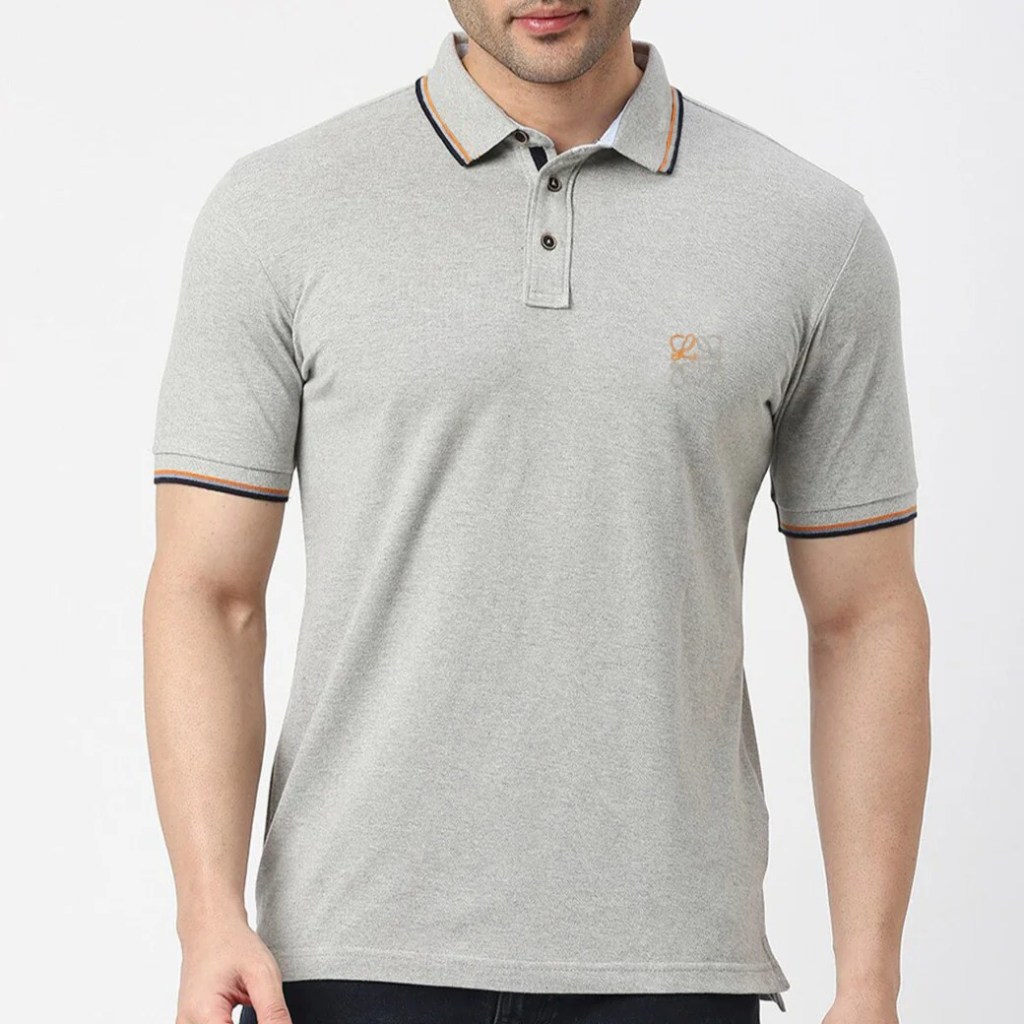
In the 21st century, data is often referred to as the new oil. It powers industries, drives decisions, and shapes everything from our daily commutes to our online shopping experiences. But data is more than just numbers stored in servers or graphs on a dashboard—it’s a living, breathing component of modern life. It influences how we live, work, communicate, and even dress.
Yes, dress.
Fashion and data may seem like two distant worlds, but they are more interconnected than ever. From the algorithms that suggest your next favorite luxury t-shirt for men to the data analytics behind designing men’s premium t-shirts that fit perfectly, data now plays a defining role in the clothes we wear. At the intersection of technology and lifestyle lies a new kind of consumer—one who values personalization, sustainability, and quality, all guided by the insights that data provides.
This article explores how data is transforming the fashion landscape, influencing buying behaviors, optimizing design, and contributing to the rise of thoughtful, stylish essentials like premium t-shirts, designer t-shirts for men, and luxury polo t-shirts. We’ll also explore how the Luxury at Less concept is democratizing access to quality apparel through data-driven efficiencies.
The Age of Data: More Than Just Numbers
We live in an age where everything is measurable. Every click, like, purchase, return, and preference leaves a digital footprint. Companies collect this information to understand consumer behavior, forecast trends, and optimize their operations.
In fashion, this data is a goldmine.
Brands now use data to identify which premium t-shirts sell best, which colors are trending, which sizes are most commonly purchased, and even which fabrics perform better under certain weather conditions. This allows them to design best quality t-shirts that aren’t just stylish but functional, well-fitted, and tailored to their target audience’s exact needs.
Instead of designing in the dark, today’s fashion companies work in full color—guided by real-time insights. This translates into better inventory management, less waste, smarter marketing, and ultimately, more satisfied customers.
Data-Driven Fashion: Creating Premium Wardrobes
When it comes to fashion, fit is everything. Ill-fitting clothes can ruin an otherwise stylish outfit. This is especially true for staples like men’s premium t-shirts or luxury t-shirts for men, where the simplicity of the garment leaves no room for error. That’s where data comes in.
Through digital feedback, customer reviews, and smart sizing algorithms, brands can now offer better fits across more body types. Whether it’s through 3D modeling, virtual try-ons, or AI-driven recommendations, fashion companies are using data to deliver best quality t-shirts that feel custom-made—without the custom-made price tag.
This enhanced fit, combined with quality fabrics and thoughtful design, is contributing to the rise of designer t-shirts for men that don’t just look good but feel incredible to wear. And that’s not just a luxury—it’s becoming an expectation.
Personalized Shopping: Powered by Data
E-commerce has exploded, and with it, so has personalization. When you log into an online store and see recommendations that match your style, size, and previous purchases, you’re seeing data in action.
Machine learning algorithms analyze your behavior and the behavior of others like you to suggest products you’re likely to love—whether it’s a luxury polo t-shirt in your favorite color or a premium t-shirt that complements items already in your wardrobe.
This curated shopping experience doesn’t just make online browsing easier—it boosts customer satisfaction and reduces returns. It’s smarter shopping, guided by data, that leads to better outcomes for both consumers and brands.
Sustainability Through Data: Less Waste, Better Fashion
One of the biggest challenges in fashion today is sustainability. Fast fashion has created a culture of overproduction and overconsumption, leading to enormous environmental waste. But data is helping change that.
By analyzing what customers actually want—and how much of it—brands can produce more accurately and reduce unsold inventory. This shift from speculative mass production to demand-driven manufacturing helps decrease textile waste and supports more ethical, eco-conscious business models.
As a result, more consumers are leaning toward sustainable and high-quality choices like men’s premium t-shirts and luxury t-shirts for men, which are made to last. These aren’t throwaway items; they’re part of a more intentional, responsible approach to fashion.
And thanks to data-powered efficiency, quality doesn’t always mean expensive—which brings us to the concept of Luxury at Less.
Luxury at Less: Data’s Role in Democratizing Fashion
Traditionally, luxury fashion came with a high price tag, reserved for the elite. But the digital revolution and smart use of data have opened the door to a new model—Luxury at Less. It means offering the same quality, fit, and style you’d expect from designer brands but at more accessible prices.
How? By eliminating inefficiencies.
Data helps brands streamline production, reduce waste, and avoid overstocking. Direct-to-consumer models skip the middleman. Automated systems reduce overhead. Combined, these strategies lower the cost of delivering a high-quality product—such as a best quality t-shirt or luxury polo t-shirt—to the end user.
This is why many online shoppers are discovering they can now get designer t-shirts for men that rival luxury brands in craftsmanship but cost far less. It’s not just affordable fashion—it’s smart fashion.
The Data-Driven Consumer: What Shoppers Want Today
Today’s shoppers are data-literate. They read reviews, compare materials, check return policies, and expect transparency. They want fashion that aligns with their values—whether that’s ethical sourcing, sustainability, or supporting local businesses.
For many, the ideal wardrobe is built on versatility, quality, and timeless style. Items like premium t-shirts, luxury polo t-shirts, and men’s premium t-shirts are favored for their ability to go from casual to polished with ease.
These consumers are less interested in chasing trends and more focused on investing in pieces that last—both in terms of durability and design. And data is helping them make smarter choices by offering detailed product information, customer reviews, and real-time feedback.
Data and Style: The Future of Fashion Intelligence
As wearable technology continues to grow, the relationship between data and fashion will deepen. Smart fabrics, fitness trackers, temperature-responsive materials, and digital wardrobes are already making waves. Imagine a luxury t-shirt for men that adjusts based on body temperature or a premium t-shirt that tracks posture—this is the future, and it’s powered by data.
Moreover, virtual stylists, AI fashion assistants, and augmented reality try-on apps are making it easier than ever for consumers to find their perfect fit and style. The fusion of fashion and data is no longer optional—it’s essential.
Conclusion: Style Meets Strategy in the Data Age
We live in an age where data touches everything—including what we wear. It’s driving better design, smarter production, and more personalized shopping experiences. It’s also giving rise to a generation of informed consumers who demand more from their clothing—more comfort, more quality, and more value.
The rise of premium t-shirts, luxury t-shirts for men, designer t-shirts for men, and luxury polo t-shirts is a testament to the power of data to transform fashion from wasteful and trend-obsessed to intentional and sustainable. And thanks to the Luxury at Less model, quality style is more accessible than ever.
In the end, data isn’t just about numbers—it’s about understanding people. And when fashion understands people, it doesn’t just follow trends—it leads.
So whether you’re writing code, building a business, or simply curating your personal style, remember: the best looks are built on insights—and the best wardrobes start with well-informed choices, like the perfect best quality t-shirt that fits your life and values.

 Luxury at Less